Beyond the Mirror
How self-improvement, spirituality, and the search for our “best self” can become another way to lose ourselves

We may chase enlightenment, higher states of consciousness, and the idea of becoming our ‘best self’ and ‘living our best life’. We may have read every self-help book, explored every healing modality, and followed the latest spiritual trends from yoga to witchcraft. Trying to grow, trying to heal and trying to be something other than what we are. We may speak of love and light, yet still find ourselves avoiding the very experiences that ask the most of us. We may be full of spiritual knowledge, but still empty and still seeking.
In our pursuit of growth, we can sometimes forget that transformation comes through pain as much as through joy. We seek spiritual highs while trying to escape earthly lows, forgetting that both are part of the human experience.
Life is not always beautiful, well-packaged, or easy to digest. More often than not, it is messy, uncomfortable, and painful. It asks us to sit with uncertainty, face what we would rather avoid, and make room for the parts of ourselves and others that are struggling.
It can feel easier to retreat into the clouds of spiritual ideals than to sit beside a friend who is in tears. Easier to speak about esoteric knowledge than to acknowledge the wounds we carry within ourselves. Easier to search for transcendence than to remain present with the rawness of being human.
However, true spiritual growth is not found in escaping the difficult parts of life. It is found in our willingness to meet life in all its messiness.
Spiritual Ego
Spiritual ego can sneak up quietly, often when we feel we have finally arrived, when we feel connected or awakened. It can make us feel superior or inferior. It can inflate us or diminish us. It can convince us that we are holier-than-thou or that we are somehow unworthy.
Yet beneath both extremes are the same disconnection: a separation from reality, humility, and Spirit.
Humility rarely develops through comfort. It often comes through challenge, reflection, and sometimes through an experience that shatters the version of ourselves we were trying to protect.
In a world filled with social media, self-promotion, avatars, filters, and the allure of “high-vibe” spirituality, it can be easy to lose sight of what is real.
When we can apply filters to our faces, curate our lives, and reshape how we appear to the world, we may begin choosing an idealized version of ourselves, one that is superficial and ultimately unattainable, over the deeper work of accepting who we are and sitting honestly with what we are experiencing.
This can create a tendency to dismiss the struggles of others, suggesting they simply have not “manifested” correctly, are too “low vibe,” or are not healed enough.
Often, beneath this judgment is discomfort with our own lack of control, a difficulty accepting that life can be unpredictable, unfair, painful, and confusing.
The reality of being human is that we will encounter moments we cannot fix, explain, or transcend. Not every challenge is a reflection of a failed mindset or insufficient spiritual practice. Sometimes life simply asks us to meet ourselves exactly where we are: imperfect, uncertain, and deeply human.
True growth does not come from escaping discomfort or creating a more polished version of ourselves. It comes from developing the courage to be present with what is real and to be who we truly are in each moment.
The Reflection in the Mirror
The technology and spiritual movements that have arisen in the last century have in many ways, encouraged a more self-focused approach to living. Our perspectives can quietly become centered around me, myself, and I, even when wrapped in the language of love and light.
When we over-focus on the self, we lose sight of what is happening around us. We become disconnected from the experiences and emotions of others. We may feel lonely because our attention has become trapped within our own reflection.
We may advance in our careers, improve ourselves endlessly, and achieve outward success, yet still find joy feeling distant.
Loving ourselves and caring for our needs is essential. We cannot serve from an empty cup and we need to manage our energy to maintain health. Over giving, over serving is the other side of the extreme.
It is over emphasis and worshipping the self that leads to emptiness, isolation, and the erosion of social harmony.
Our ancestors knew this.
The Greeks told the story of Narcissus, a figure consumed by his own reflection. The Iroquois spoke of the Faceless Spirit, a story also reflecting the danger of becoming lost in self-obsession.

These stories remind us to look inward, but not to become trapped within ourselves. They call us toward humility, compassion, and connection.
Yet so often, myself included, we stare into black pools, reflecting on appearances, comparing lives, measuring ourselves against others. We forget that we are each unique expressions of life, but we are also part of a greater web.
We each matter. We each have something to offer. But we are interwoven, and when we forget that we belong to one another, we forget how to thrive.
We cannot thrive alone.
The Lost Art of Belonging
We currently live in a world of paradox: surrounded by more people than ever, yet experiencing profound loneliness. We often avoid the messy, imperfect beauty of real connection.
We blame technology, social media, or our busy lives, but community itself requires effort. It asks us to show up, to listen, to navigate differences, and to hold space for other people’s emotions.
Sometimes it feels easier to stay home alone than to face the vulnerability of being seen, interacting, and participating in the complexity of human relationships.
Yet technology and isolation cannot nourish the heart. The soul requires human-to-human connection.

Scrolling through social media, we may find ourselves thinking: this person looks better, that life seems easier, they have achieved more.
And slowly, the focus returns to me, me, me.
Instead of asking how we can contribute to our communities, we ask how we can appear better. How can we achieve more? How can we gain more followers, recognition, or validation?
Even spirituality can become caught in this trap.
Rather than asking how we can serve, we may become focused on how powerful we are, how many gifts we possess, how many ceremonies we have attended, or how spiritually advanced we appear.
Flashier spirituality can overshadow simple, quiet faith.
Who needs humility when we can imagine ourselves as cosmic beings? Who needs surrender when we can convince ourselves we are completely in control? Who needs wisdom when endless information is available at our fingertips?
Our ancestors remind us that true happiness, purpose, and meaning arise through presence, relationship, and service, not through endlessly staring into black screens or worshipping the self.
Spirit does not judge appearances. It sees what is within the heart.

Becoming an Empty Vessel
We can choose to be full of self, or full of God, Spirit, or love.
Spirit cannot enter a house that is already full. We must choose what we want to grow within us.
Where there is emptiness, something will always fill it. Like a piece of earth stripped raw, it will be covered by something, either invasive weeds or medicinal flowers.
It is not about erasing the self or hating the self. Those are also tricks of the ego that keep one focused on oneself.
It is about transforming the self through love, allowing it to expand into something greater.
It is the salt doll dissolving into the ocean, piece by piece, until it realizes it was always part of the whole.
It is allowing Spirit to move through us in service to others.
For that to happen, we must learn to get out of our own way.
Spirit is vast. Ego is not.
Returning to Wholeness

The healing path is a return to wholeness.
There may be seasons where we need to focus deeply on ourselves, to understand our wounds, heal our pain, and learn who we are. This work matters and we need to go through it.
But we must be careful not to become trapped there.
The healing journey can become another form of self-absorption when we endlessly focus on what we still need to fix, what we still need to learn, and what is still wrong with us.
There is no end to that road.
At some point, we must recognize that we have healed enough to begin offering what we have learned to the world.
The purpose of healing is not simply to become a better version of ourselves. It is to become a person who can love, serve, and contribute.
When we heal ourselves, we influence the generations that come after us. When we become whole, we create more wholeness around us.
But if the focus becomes superiority, perfection, control, or proving that we are enough, we have fallen into the very trap we were trying to escape.
We have become consumed by our own reflection.
The invitation is not to abandon ourselves, but to move beyond ourselves.
To remember that we are both individual and connected. Both unique and part of something greater.
Perhaps, we do not find ourselves by staring endlessly inward. But we find ourselves by remembering that we belong… to each other, to nature and to God.

A Universal Prayer for Humility and Freedom
Spirit of truth,
Source of life,
That which is greater than my ego,
Hear me.
From the hunger to be admired,
Free me.
From the need to be loved to feel whole,
Free me.
From the craving to be elevated,
Free me.
From the urge to be honored or praised,
Free me.
From the need to be chosen, approved, or affirmed,
Free me.
From the fear of being diminished, unseen, or overlooked,
Free me.
From the fear of criticism, judgment, or misunderstanding,
Free me.
May I be at peace when others are loved more than I.
May I be at peace when others rise and I remain unseen.
May I release comparison.
May I release resentment.
May I release the need to be “more.”
Let me grow in integrity, depth, and clarity,
Not above others,
But into who I am meant to be.
May others flourish.
May I become what I am meant to become.
May I accept I am enough.
Although this prayer is not always comfortable or easy to say, it gently frees us from the grip of self, opening space for compassion, connection, and true freedom.
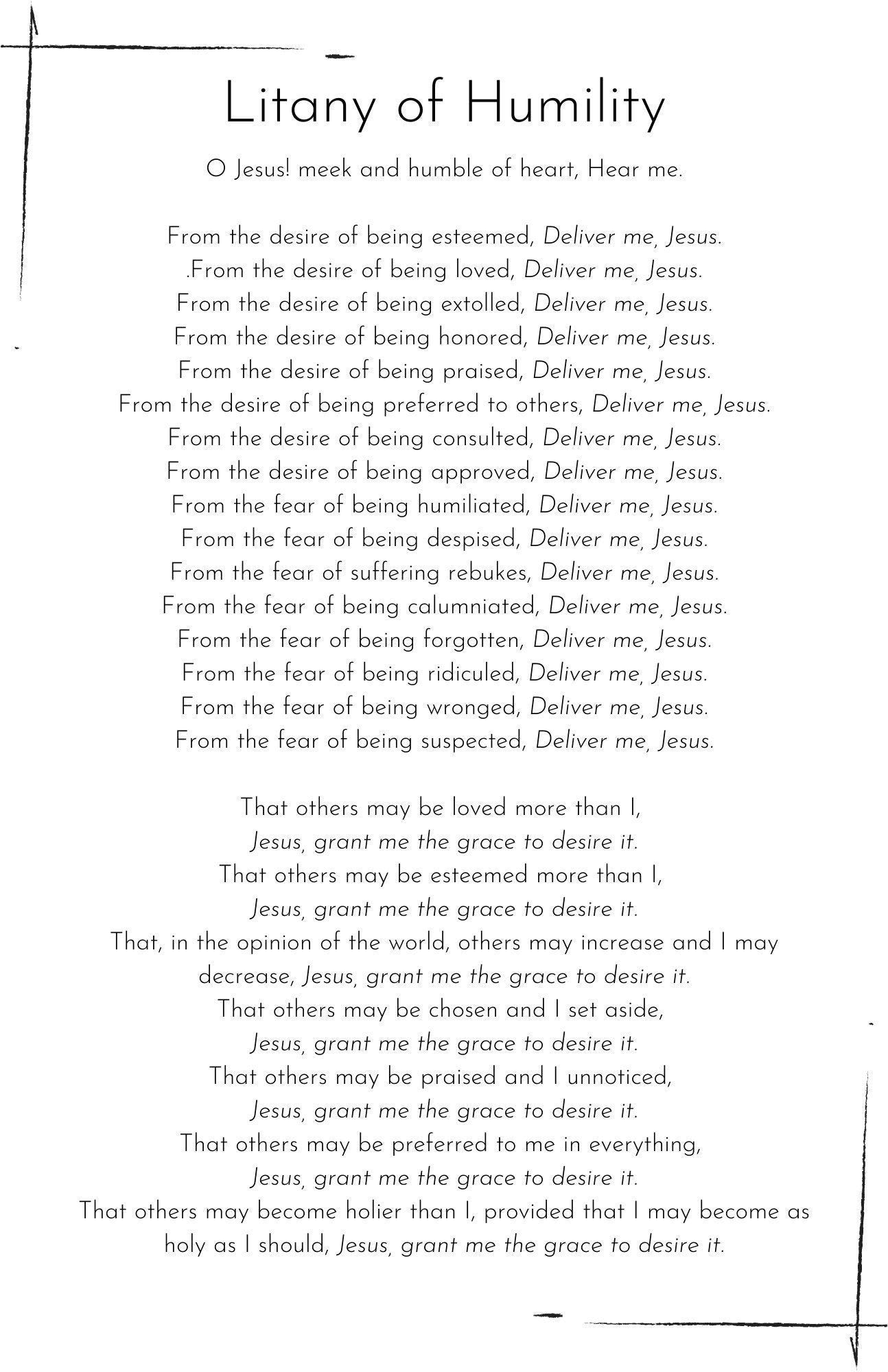
This prayer was adapted to be universal from the christian humility prayer.
If you prefer the Christian Version here it is:
LINKS:
Website: Thalitaforray.com
Instagram @Thalitaforray
Facebook: https://www.facebook.com/moonsnailwellness
Donate: https://buymeacoffee.com/thalitaforray
Ayurvedic Products:
https://keralaayurveda.store/?ref=Moonsnail
Books:
Instructions for a Human Body: https://www.amazon.ca/dp/1068883383?ref=yb_qv_ov_prnt_dp_rw
Liminal: https://www.amazon.ca/Liminal-Thalita-Angelika-Forray/dp/1068883367/ref=tmm_pap_swatch_0
Inner Island:https://www.amazon.ca/-/fr/Thalita-Forray-ebook/dp/B0FXLNVC5R
Love this essay and love your prayer. Thank you 🙏
So true!!! Thanks again for the wonderful insights :))))